
The Investigation and Prosecution
Five Days at MemorialThis thread traces the state investigation from disturbing reports to a contested grand-jury decision and a criminal case that ends without trial.
increasing Bearing strength in each event
 decreasing
Bearing strength in each eventdecreasingFamilies Search
Families Search
Missing Relatives
After the evacuation, families struggled to learn which patients had survived and where the dead had been taken. Memorial’s delayed notifications and incomplete information extended their uncertainty.
Allegations Surface
LifeCare reported concerns about suspicious deaths to investigators. The allegations were unexpected, but the number of bodies and the circumstances demanded inquiry.
Evidence at the Hospital
Evidence at the Hospital
A Warranted Search
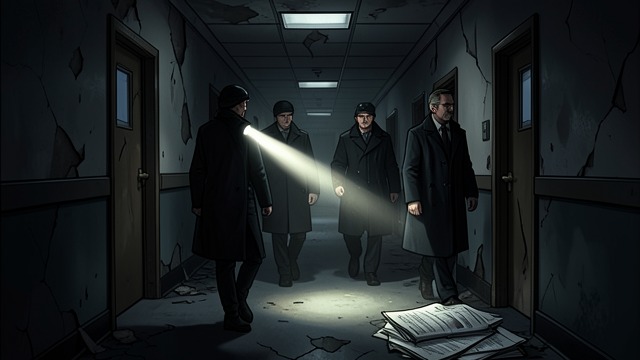
Virginia Rider and Butch Schafer led investigators through the dark, damaged hospital. They found records, medication supplies, and discarded syringes that could help test witness accounts.
A Case Takes Shape
The search made the investigation concrete, but evidence remained incomplete. Investigators needed reliable patient records, toxicology, and witnesses who could describe what happened directly.
Toxicology Results
Toxicology Results
Drugs Detected
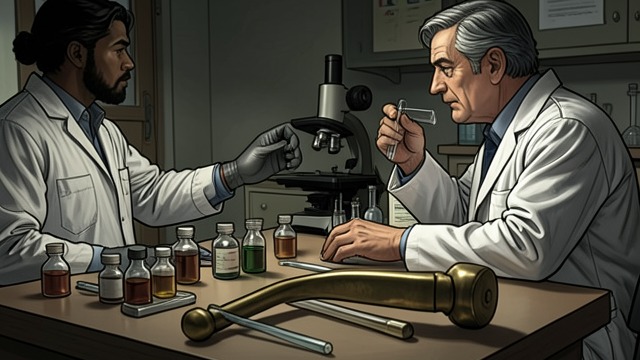
Robert Middleberg reported morphine in several tested bodies and midazolam in others. The pattern overlapped with patients identified by LifeCare witnesses as suspicious cases.
Interpretation Remains Difficult
Decomposition complicated the analysis, and the presence of a drug alone did not establish intent. Investigators continued seeking records and expert opinions that could connect medication to individual deaths.
Arrest Warrants
Arrest Warrants
A Narrow Criminal Theory
Investigators assembled witness accounts, prescriptions, and toxicology findings into affidavits alleging specific intent to kill. Anna Pou, Cheri Landry, and Lori Budo were arrested on second-degree murder counts.
Public Fallout
The arrests provoked immediate condemnation and support. The case became a national argument about medical judgment in disaster, while the accused and the families of the dead faced intense public scrutiny.
The Grand Jury No-Bill
The Grand Jury No-Bill
A Closed Deliberation
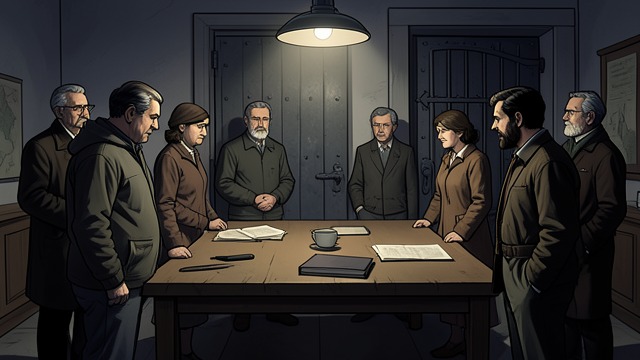
The grand jury heard selected testimony and declined to indict Anna Pou. Important witnesses and experts did not all appear before the jurors, leaving the record narrower than investigators had sought.
Criminal Case Ends
The no-bill prevented a public trial from testing the evidence. Families, investigators, and medical professionals continued to disagree about what the decision meant.
September 2005
October 1, 2005
October 6, 2005
July 17, 2006
July 24, 2007
